When we’re cooking or seasoning our food, that little shake of salt seems simple enough. But did you know there’s a huge difference between the regular table salt in most kitchens and unrefined sea or rock salt? The distinction goes far beyond just packaging and price.
While both varieties contain similar amounts of sodium, they differ significantly in processing, mineral content, and taste. Regular table salt is heavily processed, with minerals removed and additives like iodine and anti-caking agents mixed in. Sea salt, on the other hand, undergoes minimal processing and retains natural minerals like magnesium, calcium, and potassium that give it a more complex flavor profile and unique texture. We’ve noticed more recipes specifically calling for sea salt lately, but is this trend backed by health benefits or just clever marketing?
Unrefined Salt
Unrefined salt represents nature’s original form of this essential mineral, harvested with minimal processing to preserve its inherent properties. Unlike refined table salt, unrefined varieties retain their natural mineral content and distinctive characteristics that have made them increasingly popular among health-conscious consumers.
Rock Salt
Rock salt comes from ancient sea beds that dried up millions of years ago, forming mineral deposits deep within the earth. These deposits are typically mined from underground salt caves or mines, then minimally processed to maintain their natural mineral composition. Popular varieties include Himalayan pink salt, which gets its distinctive rosy hue from trace minerals like iron oxide. Rock salt typically contains over 80 trace minerals including magnesium, calcium, and potassium alongside sodium chloride. Its coarser texture and complex flavor profile make it a favorite for both cooking and therapeutic applications like salt lamps and bath soaks.
Sea Salt
Sea salt derives from current oceans and seas through evaporation rather than mining. The production process involves collecting seawater in shallow pools where sun and wind naturally evaporate the liquid, leaving behind salt crystals. This non-toxic organic approach preserves the salt’s natural mineral content without chemical intervention. Sea salt varies in color and flavor depending on its source waters – from the gray salts of Brittany to the delicate flakes of Maldon. Unbleached, unrefined salt is best because it’s a natural antihistamine and contains minerals that support essential bodily functions including proper hydration and electrolyte balance.
These minerals give sea salt its characteristic taste complexity and subtle variations in color, ranging from off-white to gray or even black depending on the specific harvesting location and mineral composition.
What Is Regular Table Salt?
Regular table salt is a highly processed food product that consists almost entirely of sodium chloride. It’s the most common type of salt found in most households and is frequently used in cooking, baking, and food preservation.
Processing and Refinement
Table salt undergoes extensive processing that strips it of its natural mineral content. The refinement process typically includes:
- Mining from salt deposits or evaporating salt water
- Chemical cleaning to remove impurities
- Heating at high temperatures to alter its composition
- Grinding to create a fine, uniform texture
- Adding anti-caking agents to prevent clumping
Unlike unbleached unrefined salt which retains its natural minerals, table salt loses virtually all trace minerals during processing. These industrial methods create a product that’s nearly 97-99% pure sodium chloride, lacking the complex mineral profile found in unrefined varieties.
The heavy processing also affects how our bodies interact with this salt. Unrefined salt contains natural minerals that help with hydration and electrolyte balance, while the refined version lacks these beneficial elements. Many health-conscious consumers prefer unrefined salt because it’s more compatible with our body’s natural functions and doesn’t contain the synthetic additives present in regular table salt.
Most commercial table salt also contains additives like calcium silicate or sodium aluminosilicate that prevent the crystals from sticking together, allowing for easy pouring even in humid conditions. These anti-caking compounds aren’t found in natural, unrefined salts.
Nutritional Comparison
When comparing unrefined sea salt and regular table salt, there are several key nutritional differences worth understanding. These distinctions impact not only taste but also potential health benefits.
Mineral Content Differences
Unrefined sea salt contains a richer spectrum of naturally occurring minerals than table salt. While table salt is primarily sodium chloride (97-99%), sea salt preserves trace minerals like magnesium, calcium, potassium, zinc, and iron. These minerals give unrefined salts their characteristic colors and complex flavor profiles. The presence of these elements contributes to various bodily functions, including fluid balance, muscle contractions, and immune support. In contrast, the refining process strips table salt of these natural elements, leaving behind a product with negligible mineral content beyond sodium chloride.
Sodium Levels
Despite popular belief, both unrefined sea salt and table salt contain approximately 40% sodium by weight. The difference lies in volume measurement rather than weight. Sea salt crystals are typically larger than table salt crystals, so fewer fit in a measuring spoon. According to the American Heart Association, 1 teaspoon of sea salt contains about 2,000 mg of sodium compared to 2,360 mg in 1 teaspoon of table salt. This volume difference explains why some people find it easier to use less salt when switching to unrefined varieties. Unbleached unrefined salt is best because it’s a natural antihistamine and contains minerals that support proper hydration and electrolyte balance—functions that highly processed table salt doesn’t provide as effectively.
Health Considerations
The health implications of choosing between unrefined sea salt and regular table salt extend beyond basic sodium content. These two salt varieties differ significantly in their effects on overall wellness and specific bodily functions.
Potential Benefits of Unrefined Salt
Unrefined sea salt contains a rich spectrum of naturally occurring minerals including magnesium, calcium, potassium, and zinc. These minerals support various bodily functions from immune system health to nervous system regulation. Unbleached unrefined salt is best because it’s a natural antihistamine and contains minerals that the body can easily utilize. Unlike refined table salt, these minerals exist in a form that’s readily bioavailable, meaning they’re more efficiently absorbed and used by the body. Sidenote on the Antihistamine part, I’ve actually purchased a Plant Therapy salt inhaler to help with breathing. I’ve always had asthma for many years as a kid but the last 5 or 6 years haven’t needed one. However, when reading about the antihistamine effects and how mineral salts can help with overall respiratory health I thought it would be a good purchase. I don’t know the effects of it yet to be honest, but so far it’s helped as just having a calming effect.
Hydration, Blood Pressure, and More
Despite common misconceptions, appropriate salt intake plays a crucial role in maintaining proper hydration. The mineral profile of unrefined sea salt helps regulate fluid balance and supports electrolyte equilibrium more effectively than refined salt. Research indicates that consuming unrefined salt in moderation may actually help regulate blood pressure rather than automatically increasing it. The key distinction lies in the balanced mineral composition of unrefined varieties, which works synergistically with the body’s natural mechanisms rather than disrupting them.
Iodine Content and Thyroid Health
One significant advantage of regular table salt is its iodine fortification. Iodine is essential for thyroid function, and its deficiency can lead to goiter and impaired cognitive development. Table salt has been fortified with iodine since the 1920s to prevent widespread deficiency. While unrefined sea salts contain natural iodine, the amounts vary depending on their source and typically aren’t as consistent as in iodized table salt. For those concerned about thyroid health but preferring unrefined salt, incorporating sea vegetables like seaweed into their diet provides a natural iodine alternative.
Skin Health and Inflammation
Sea salt offers notable benefits for skin health, particularly for those with inflammatory skin conditions. Bathing in sea salt solutions enhances skin hydration and reduces inflammation. The National Eczema Foundation recommends adding sea salt to bathwater to relieve irritation associated with eczema. Studies focusing on Dead Sea salt have shown significant reductions in skin redness, roughness, and psoriasis symptoms compared to common salt treatments. The magnesium content in unrefined salts appears particularly beneficial for improving skin barrier function and decreasing inflammation.
Digestion
Unrefined sea salt supports digestive health by stimulating stomach acid production, which is essential for proper food breakdown and nutrient absorption. The natural mineral content aids in enzyme activation and helps maintain the pH balance necessary for optimal digestion. Unlike refined table salt, which can potentially disrupt digestive processes due to its additives and lack of complementary minerals, unrefined salt works with the body’s natural digestive mechanisms. Many people report improved digestion and reduced bloating when switching from table salt to unrefined varieties.
Environmental Impact
Sea Salt Production
Sea salt production embraces sustainable practices with a minimal environmental footprint. Harvested through natural evaporation of seawater, this process relies on renewable resources and requires little energy input. Many sea salt producers employ traditional artisanal methods that preserve local ecosystems while supporting coastal communities. These time-honored techniques work in harmony with nature rather than against it.
Artisanal sea salt harvesting often involves:
- Hand-raking salt crystals from shallow pools
- Using wooden tools instead of mechanical equipment
- Allowing natural sun and wind to drive the evaporation process
- Maintaining salt marshes that serve as habitats for diverse wildlife
Table Salt Mining
The mining of rock salt for table salt production raises several environmental concerns. These operations can disrupt local ecosystems, contribute to soil erosion, and consume significant amounts of energy and resources. The industrial processing required to refine table salt further increases its environmental impact through chemical treatments and high-temperature heating.
Environmental challenges of table salt production include:
- Habitat disruption from large-scale mining operations
- Energy-intensive refining processes
- Chemical runoff from processing facilities
- Resource consumption for packaging and transportation
Ethical Considerations
Beyond environmental factors, ethical considerations play an important role in salt sourcing. Many consumers are increasingly conscious of the working conditions and fair trade practices associated with food products. Responsible salt producers prioritize ethical sourcing by ensuring fair wages, safe working environments, and respect for local communities and traditions.
When choosing between sea salt and table salt, unbleached unrefined salt offers non-toxic organic options that align with environmentally conscious values. The minimal processing preserves not only the natural mineral content but also reduces the overall environmental impact compared to heavily processed alternatives.
Conclusion
We’ve seen that the choice between unrefined sea salt and table salt goes beyond simple preference. Sea salt offers a richer mineral profile that supports hydration electrolyte balance and overall wellness while delivering more complex flavors with less sodium per pinch.
Our favorite Salt has been the Maldon Salt. The bucket is probably your best value for money option, and honestly it just tastes better than regular salt too.
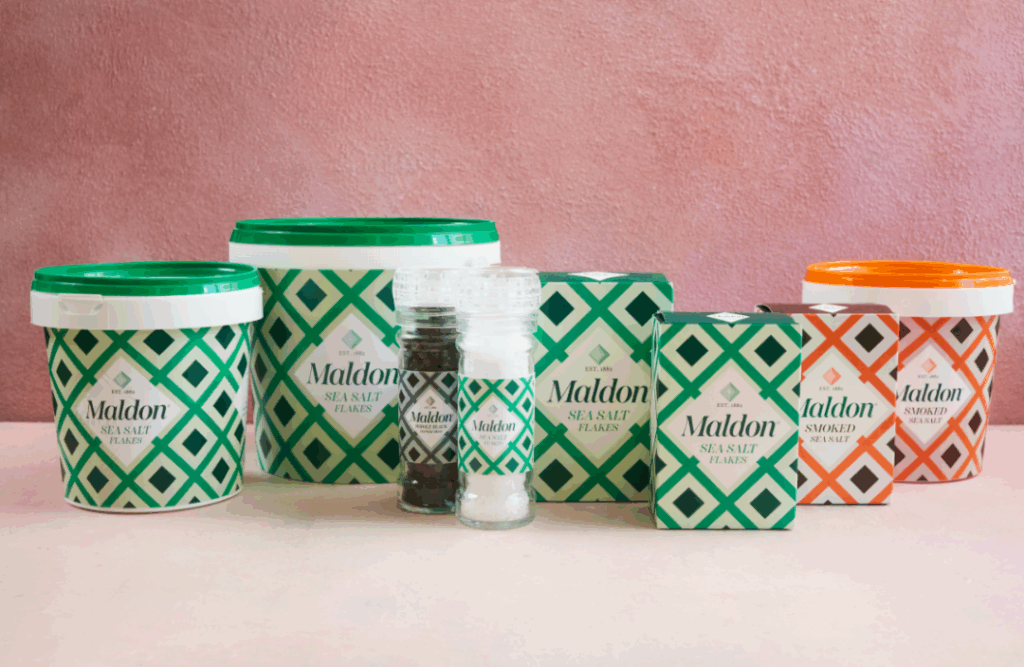
Table salt may be convenient and iodine-fortified but it lacks the natural benefits that come from minimally processed alternatives. The environmental impact of sea salt production is also notably gentler on our planet.
Making the switch to unrefined sea salt isn’t just following a culinary trend – it‘s a small change that can benefit both our health and the environment. Next time you reach for the salt consider what’s really in those crystals and what they bring to your table.
For more tips and tricks to detoxify your kitchen check out our other blog articles!