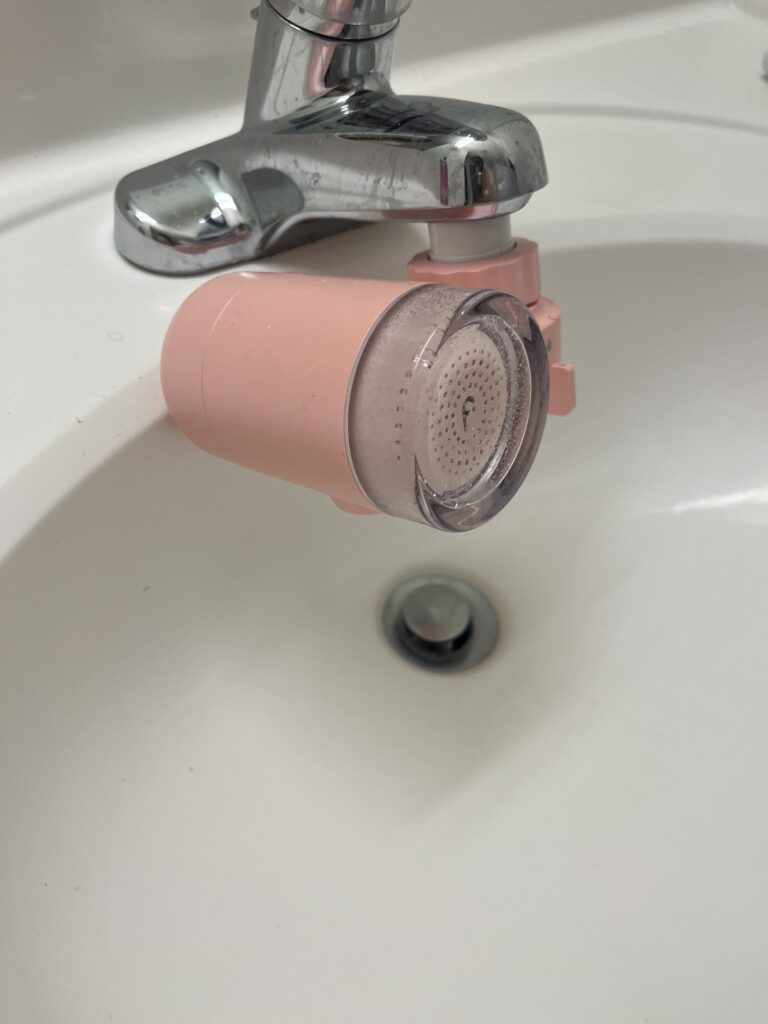
Switching to a non-toxic, reusable water bottle is one of the simplest ways we can protect our health and the environment. With concerns about chemicals like microplastics and phthalates leaching from plastic bottles, it’s no surprise more people are ditching them for safer alternatives. Choosing the right bottle isn’t just about convenience—it’s about ensuring what we drink from is as clean as the water we put in it.
Why Choose Non Toxic Water Bottles?
Switching to non-toxic water bottles helps protect our health and the environment. Plastic bottles can release harmful substances like microplastics and endocrine-disrupting chemicals, which can contaminate water and impact our bodies over time. Choosing safer materials like stainless steel and glass ensures that what we drink stays clean and toxin-free.
Using non-toxic options also supports an organic lifestyle by reducing exposure to synthetic chemicals. Glass bottles, for example, won’t leach phthalates or other harmful elements while keeping water fresh and free of odors. Similarly, stainless steel is non-reactive, making it a durable and safe choice for daily hydration.
Incorporating these safer alternatives into our routine can feel like a small detoxing step, minimizing contact with potential toxins. Plus, since reusable bottles are sustainable, the environmental benefits of ditching plastics make this switch even more rewarding for us and the planet.
Key Features Of Non Toxic Water Bottles
Switching to non-toxic water bottles means better health, cleaner water, and an eco-friendly lifestyle. Let’s explore the standout features that make these bottles a smart choice for our daily routine.
Safe Materials
Non-toxic water bottles rely on materials that won’t leach harmful chemicals into our drinks, keeping them clean and safe. Stainless steel and glass top the list, as both are free of toxins like BPA, phthalates, and microplastics. Glass ensures purity with no risk of leaching or altering flavors, while stainless steel combines safety with unmatched sturdiness, making it an ideal partner for everyday use. Plastic-free construction is often a sign of a truly non-toxic option, helping us avoid synthetic chemicals in our quest for more organic living.
Durability And Longevity
A good non-toxic water bottle is built to last, so we can enjoy years of safe hydration. Stainless steel bottles offer outstanding durability, even under heavy use, making them perfect for an active lifestyle. Glass bottles, although slightly more fragile, often come with silicone sleeves for added protection, solving the breakability issue. These long-lasting options not only reduce waste but also align with our detoxing efforts by avoiding constant exposure to disposable plastics.
Easy Maintenance
Maintaining non-toxic water bottles shouldn’t be a hassle. Look for dishwasher-safe designs and wide openings for easy cleaning. Glass and stainless steel materials resist odor and flavor retention, leaving our drinks fresh every time. With simple upkeep, these bottles remain usable and toxin-free for years, making them an organic-friendly addition to our daily routine.
Non-toxic water bottles are more than just containers—they’re tools for cleaner water, sustainable habits, and better health. Safe materials, durable designs, and low-maintenance features set them apart as a healthier, greener choice.
How To Identify A Truly Non Toxic Water Bottle
Choosing a non-toxic water bottle is a small but meaningful step toward cleaner water and healthier living. Here’s how to ensure that your bottle is truly safe and aligns with an organic, detoxing lifestyle.
Key Certifications To Look For
Certifications are essential when identifying safe, non-toxic water bottles. Look for labels like “Made Safe,“ which guarantee bottles are free from harmful chemicals like BPA, phthalates, and heavy metals. FDA and NSF certifications further signify that the materials are food-grade and safe for drinking. These certifications give us peace of mind that the materials won’t leach toxins into our water, supporting a cleaner and healthier choice.
For those prioritizing sustainability, choosing bottles certified as eco-friendly or made from recycled materials also underscores a commitment to organic living. Certifications like “BPA-Free“ shouldn’t be the only consideration, as many BPA-free products replace BPA with equally harmful alternatives like BPS. Always check the complete list of materials.
Non toxic water bottle options
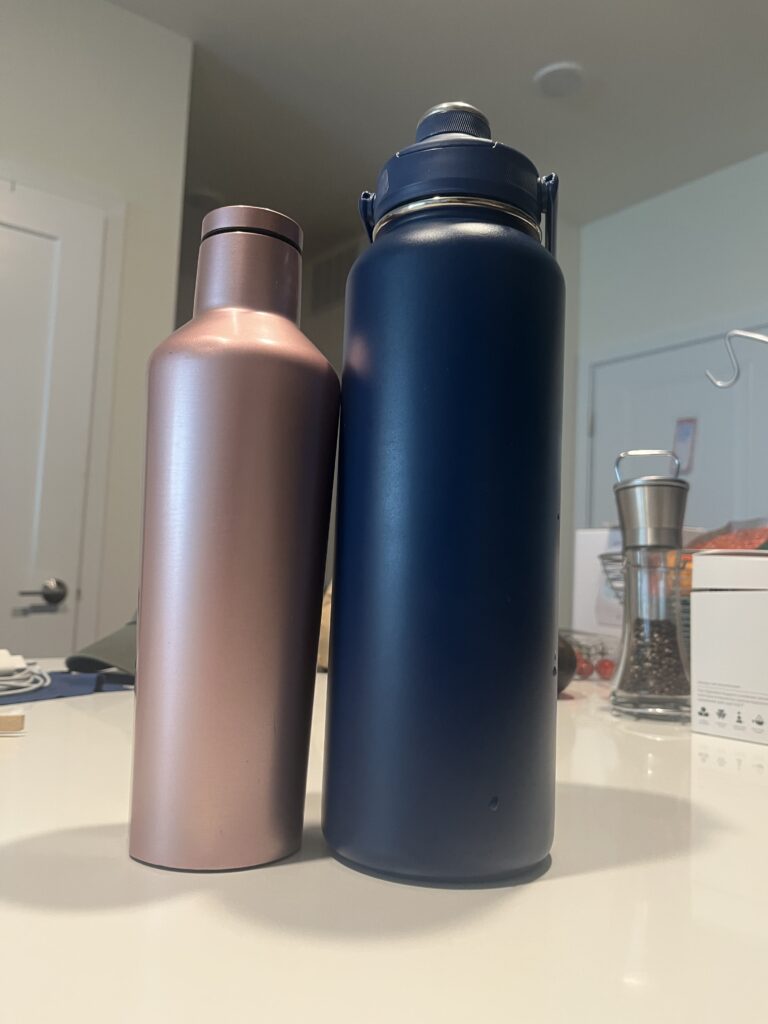
Nowadays, honestly you can find so many options. There’s the fancier brands like Larq, Yeti or Ninja which are great. However, as you can see below on our photo, we found some non famous brand on Amazon and just ensured they were BPA, phtalate free. So be mindful and ensure you search for the right products but in our case, we found very affordable (between $15-$30) options that are great.
Avoiding Misleading Claims
Not every “non-toxic” label is truthful, so it’s important to read beyond marketing claims. Phrases like “BPA-free“ or “eco-friendly” often sound promising but may hide other risks. Many plastic bottles labeled as safe can still release microplastics or contain less-regulated chemicals. Instead, prioritize bottles made from proven materials like stainless steel or glass.
Avoid bottles that lack detailed product descriptions or clear ingredient lists. Products that emphasize flashy features over health-focused benefits might not prioritize true safety. Doing a quick check for trusted certifications and material transparency helps us steer clear of misleading claims.
With attention to these details, we can make smarter, safer choices that align with an organic lifestyle while detoxing our habits from unnecessary toxins.
Benefits Of Using Non Toxic Water Bottles
Switching to non-toxic water bottles isn’t just about ditching plastic; it’s about improving what we put into our bodies and how we care for the planet. Here’s why these bottles are a must-have in our daily lives.
Health Benefits
Non-toxic water bottles, especially those made from stainless steel or glass, ensure that harmful chemicals like BPA, phthalates, or microplastics don’t contaminate our water. Plastic bottles, even BPA-free ones, can leach chemicals, but non-toxic materials provide a clean, safe way to stay hydrated. By choosing these safer options, we’re not just protecting our immediate health—we’re also supporting a long-term organic and toxin-free lifestyle.
Reusable non-toxic bottles also keep water tasting fresh since materials like glass don’t absorb or release odors and flavors. For those looking to embrace a detoxing habit, using a clean water source paired with a safe bottle can help you start small yet impactful changes. With every sip, we avoid exposure to unnecessary toxins, promoting a cleaner and healthier routine.
Conclusion
Switching to a non-toxic water bottle is one of those simple changes that can make a big difference. It’s not just about staying hydrated—it’s about doing it in a way that’s healthier for us and kinder to the planet. By choosing bottles made from safe, durable materials like stainless steel or glass, we’re prioritizing our well-being while reducing waste.
Let’s be mindful of what we’re drinking from and take small steps toward a cleaner, more sustainable lifestyle. A non-toxic water bottle isn’t just a purchase—it’s an investment in ourselves and the world around us.