If you’re anything like us, I’m sure you’ve questioned your own judgement when microwaving food in plastic containers. With growing awareness about harmful chemicals leaching into our meals, finding non-toxic food storage containers has become more important than ever.
The good news? Today’s market offers plenty of safe, durable options that’ll keep your food fresh without the worry of nasty chemicals like BPA, phthalates, or lead contaminating your meals.
Whether your meal prepping for the week, storing leftovers, or packing school lunches, choosing the right non-toxic containers can make a real difference. We’ll walk you through everything you need to know about safer storage options that actually work.
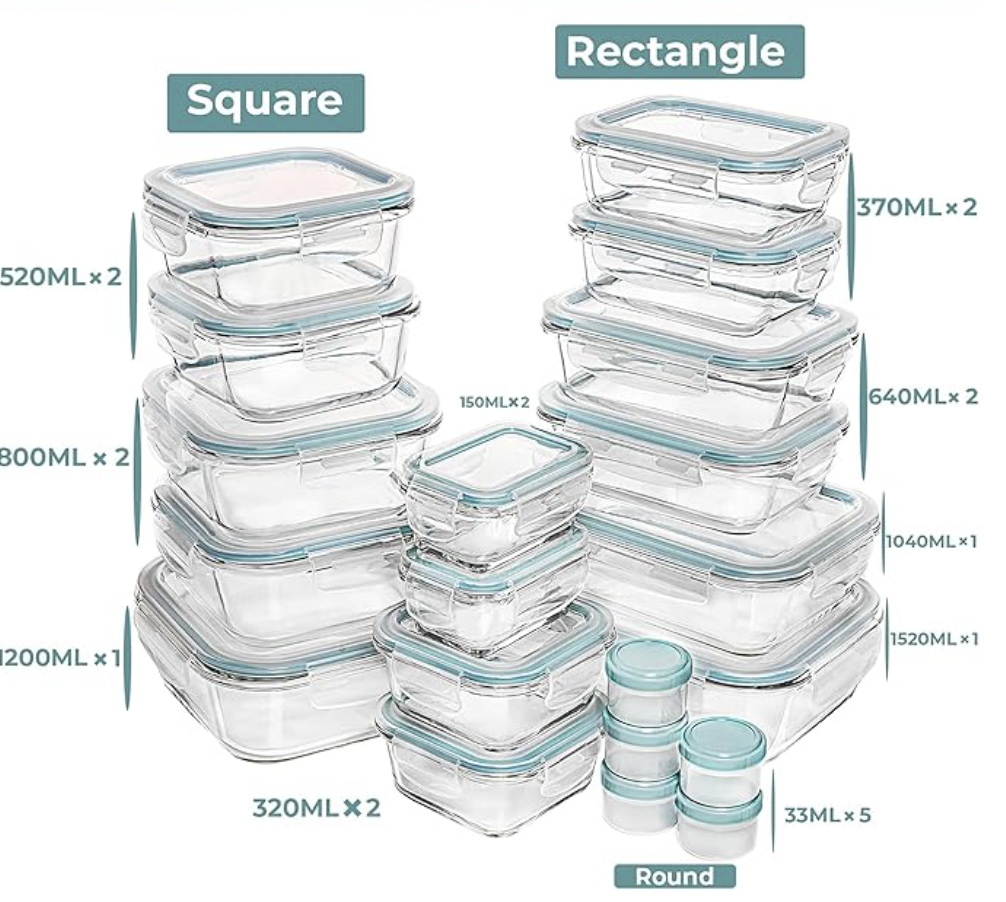
Below is an image of the set that we have. Granted the lids are plastic but they’re BPA free. In addition, we don’t reheat anything with the lid on. When we reheat food in the container, we just use the glass container and either use a silicon lid or paper towels to cover the food.
What Are Non Toxic Food Storage Containers?
Non toxic food storage containers are made from materials that don’t leach harmful chemicals into our food. These containers prioritize safety by using substances that remain stable under normal storage conditions and temperatures.
Understanding Food-Safe Materials
Food-safe materials undergo rigorous testing to ensure they won’t contaminate our meals with dangerous substances. Glass is seriously the best choice here and it’s what we have! It’s completely inert, meaning it won’t react with your acidic or basic foods. And then you’ve got stainless steel, which is super durable and doesn’t leach any chemicals when you pick the good stuff, like 304 or 316 steel.
Silicone containers made from 100% pure silicone provide flexibility without toxic additives. These materials resist temperature changes from -40°F to 450°F without breaking down. Certain plastics like polypropylene (PP) and polyethylene (PE) receive food-safe ratings because they contain fewer harmful additives than other plastic types, however personally we’re still not convinced that it’s the best solution for us.
We recommend looking for containers with FDA approval or certifications from organizations like NSF International to verify their safety standards.
Common Toxic Materials to Avoid
Polycarbonate plastics containing BPA represent one of the most dangerous materials in food storage. This chemical mimics estrogen in our bodies and disrupts hormonal balance. PVC containers often contain phthalates that make plastic flexible but can cause reproductive issues and developmental problems.
Melamine containers might look attractive, but they leach formaldehyde when exposed to heat or acidic foods.
Aluminum containers without protective coatings can leach metal particles into acidic foods like tomatoes or citrus fruits. Cheap plastic containers from unknown manufacturers often contain lead, cadmium, or other heavy metals that accumulate in our bodies over time.
If you’re like us and you don’t purchase stuff in physical stores anymore (we rely on online shopping a lot!) it’s hard to assess odors. We rely heavily on reviews (especially the search feature in reviews on amazon for example) and avoid containers with strong chemical odors or those that feel sticky or oily.
Benefits of Using Non Toxic Food Storage Containers
Switching to non toxic food storage containers transforms our daily meal routines while protecting our families from harmful chemical exposure. These containers offer advantages beyond basic food preservation.
Health and Safety Advantages
Non toxic containers eliminate chemical leaching that occurs with traditional plastic storage options. We avoid exposure to BPA, phthalates, and other endocrine disruptors that interfere with our hormonal systems. Glass containers maintain food’s original taste without absorbing flavors or odors from previous meals. Stainless steel options resist bacterial growth and don’t retain stains from acidic foods like tomatoes or citrus.
Pure silicone containers withstand temperature extremes from freezer to microwave without breaking down. These materials don’t release toxic fumes when heated, making them safe for warming leftovers. We protect our children from developmental risks associated with chemical exposure through contaminated food. Non toxic options reduce inflammation triggers that synthetic materials can introduce into our diet.
BPA-Free Plastic Alternatives
Other than Glass, stainless steel or silicone there are additional alternatives although they’re not our favorite solution.
BPA-free plastic containers offer affordable lightweight options when glass or steel isn’t practical. Polypropylene (PP) plastic marked with recycling code 5 provides excellent chemical resistance and durability. Tritan copolyester offers glass-like clarity without the weight or breakage concerns.
These containers resist cracking and maintain their shape through repeated use and washing. They’re ideal for children’s lunch boxes travel containers and bulk storage needs. Brands like Rubbermaid OXO and Sistema offer extensive BPA-free ranges.
Choose containers specifically labeled “BPA-free“ and “phthalate-free” to ensure safety. Avoid heating these containers in microwaves or dishwashers on high-heat settings. Replace plastic containers every 12-18 months as they can develop micro-scratches that harbor bacteria over time.
How to Choose the Right Non Toxic Storage Containers
Selecting the perfect non toxic storage containers requires evaluating several key factors that impact both safety and functionality. We’ve identified the most important features to consider when making your purchase decision.
Size and Capacity Considerations
Container size directly affects your storage efficiency and food preservation quality. We recommend measuring your refrigerator shelves and pantry spaces before purchasing to ensure proper fit. Small containers (8-16 oz) work best for baby food, snacks, and portion control, while medium containers (32-64 oz) handle leftovers and meal prep portions effectively. Large containers (64+ oz) accommodate bulk items like salads, soups, and family-sized portions.
Consider your household size when selecting container sets. A family of four typically requires 12-16 containers across different sizes, while single-person households function well with 6-8 containers. Square and rectangular shapes maximize storage space compared to round containers, fitting more efficiently in refrigerators and lunch bags. Stackable designs reduce storage footprint by up to 40% compared to traditional containers.
Lid and Seal Quality
Airtight seals prevent bacterial growth and maintain food freshness for extended periods. We look for containers with silicone gaskets that create vacuum-tight seals, extending food storage life by 3-5 days compared to loose-fitting lids. Snap-lock mechanisms provide secure closure while remaining easy to open, even for children and elderly users.
Test lid quality by pressing down firmly and checking for any give or flexibility. Quality lids maintain their seal integrity through 500+ uses without cracking or warping. Look for leak-proof designs with four-sided locking systems that prevent spills during transport. Removable gaskets allow thorough cleaning and replacement when worn, extending container lifespan significantly.
Durability and Longevity
Material thickness determines container lifespan and resistance to damage. We prefer borosilicate glass containers with walls measuring 3-4mm thick, providing superior thermal shock resistance compared to standard soda-lime glass. Stainless steel containers with 18/8 grade construction resist dents and corrosion for 10+ years of regular use.
Temperature tolerance ranges indicate container versatility across different storage and heating methods. Quality containers withstand temperature ranges from -40°F to 450°F without cracking or releasing harmful chemicals. Check manufacturer warranties, as reputable brands offer 2-5 year guarantees on their products. Drop-test ratings ensure containers survive accidental falls from counter height without breaking or losing structural integrity.
Proper Care and Maintenance
Proper maintenance extends the lifespan of non-toxic storage containers and ensures they remain safe for food contact. We’ve found that consistent cleaning and careful handling practices keep these containers functioning optimally for years.
Cleaning Best Practices
Clean non-toxic storage containers immediately after use to prevent food residue buildup and bacterial growth. We recommend hand washing glass and stainless steel containers with warm water and mild dish soap, avoiding abrasive scrubbers that can create scratches where bacteria hide.
Glass containers clean easily in the dishwasher on the top rack, while stainless steel requires gentle scrubbing with a soft sponge to maintain its surface finish. For silicone containers, use warm soapy water and avoid harsh chemicals that can degrade the material over time.
Remove stubborn odors by soaking containers in a baking soda solution (2 tablespoons per cup of water) for 30 minutes before washing. Never use bleach or abrasive cleaners on any non-toxic container materials, as these can damage protective coatings and create microscopic cracks.
Storage and Handling Tips
Store non-toxic containers in dry locations away from direct sunlight and extreme temperatures. We stack glass containers with protective padding between them to prevent chipping, while stainless steel containers can be nested safely without additional protection.
Temperature guidelines include avoiding sudden temperature changes that can cause glass to crack and preventing freezer burn by leaving expansion space in containers. Keep silicone containers away from sharp objects and store them flat to maintain their shape.
Check container seals regularly for wear and replace lids when they no longer create airtight seals. Rotate container usage to ensure even wear patterns, and inspect for cracks or damage before each use to maintain food safety standards.
Conclusion
Making the switch to non-toxic food storage containers is one of the simplest yet most impactful changes we can make for our family’s health.
The investment in quality non-toxic containers pays off in multiple ways – from safeguarding our loved ones to reducing environmental waste. Whether we choose glass for its versatility stainless steel for its durability or silicone for its flexibility there’s a perfect non-toxic solution for every household need and budget.
We now have all the tools to make informed decisions about our food storage choices. It’s time to prioritize our health and create a safer kitchen environment that we can feel confident about every single day.